
More older adults are hitting the road or the skies for trips this year. In a poll of more than 2,000 adults age 50 and over, conducted in March, 2025, 70% were planning a trip, up from 65% in 2024.
If you’re one of them, we’ve rounded up a pre-vacation travel checklist…but not to tell you what kind of shoes are best to walk Portugal’s Camino or the best sunscreen to stay sunburn-free at the Italian Riviera (but sunscreen is important!). This checklist helps make sure you’ve checked off everything you need to get yourself moving in the best health possible—and with enough medications, immunizations and first aid supplies to stay that way for the trip’s duration.
Vicki Sowards, RN, BSN, a nurse and director of clinical compliance for Passport Health USA, a travel consultation and immunization service, has these conversations all day long. We asked her and other reliable sources what we need to know.
Immunizations
“First is to make sure your routine vaccinations are up to date,” Sowards points out. That includes an updated tetanus, she says, as well as making sure your shingles vaccine is up to date. Your flu shot and COVID shot may need updating. “The CDC also recommends an MMR booster if you have no proof of immunity.” (Birth before 1957 is considered proof of immunity.) The CDC also says those who plan to travel internationally should be sure they’re fully immunized against polio.
Check Yourself
Be honest about your state of health, she adds. Are you up for a lot of walking, with the right shoes? Do you honestly feel up to the trip? If you are feeling run down, “the stress of travel could exacerbate your stress,” Sowards says. Schedule a quick check up with your primary doctor to be sure…and maybe a quick trip to the dentist, as well.
A pre-trip checkup is an especially smart idea if you have chronic conditions. Your doctor can check your blood pressure and adjust your anti-hypertensive medications if necessary. The same goes for your blood sugar and adjusting your medications if you have diabetes.
CDC’s Travel Health Information allows you to plug in your destination and see tailored information. The site also has information finding a travel clinic, answers common FAQs and links travelers to the Yelllow Book, with a wealth of information on how to stay safe wherever you are headed.
First Aid Kits
When you’re organizing your medical supplies, keep them in the original container, Sowards says. That’s especially good advice for any controlled substances such as narcotics or stimulants. And if you’re taking cannabis be aware of the laws where you’re going. Here’s an update of where it’s OK. If it’s prescribed for medical reasons, get a doctor’s note. It might not be needed, but it might not hurt. If you use injectable medications, triple check your local and your destination’s policies.
Also assemble (or buy) a travel first aid kit. Her kit would include Motrin, Tylenol, throat lozenges, bandages, insect repellent, cortisone cream, diarrhea remedy, rehydration solution. Glasses and contacts lens wearers need spares. Hearing aid users need extra batteries.
At Your Destination
Once you’ve arrived, healthy and fit, Sowards offers ideas on how to stay that way. One way: bottled water, if you’re at all unsure. Here are the CDC tips about safe water. Enjoy that street food, but take a look at it—and the line. “Go to the vendor with the longest line,” Sowards says. The wait may be worth it, insuring the food is fresh, not stale or spoiled.
YOUR TURN
What precautions do you take before you go on a trip? Share your tips in the comments!
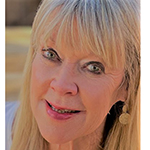 Kathleen Doheny is a Los Angeles-based independent journalist, specializing in health, behavior, fitness and lifestyle stories. Besides writing for Senior Planet, she reports for WebMD, Medscape, MedCentral and other sites. She is a mom, mother-in-law and proud and happy Mimi who likes to hike, jog and shop.
Photo of Kathy Doheny: Shaun Newton
This article offered by Senior Planet and Older Adults Technology Services is for informational purposes only and is not intended to substitute for professional medical advice, diagnosis, or treatment. Always seek the advice of your physician or other qualified health provider with any questions you may have regarding any medical condition. If you think you may have a medical emergency call 911 immediately.


COMMENTS
Sign Up for Newsletters
There’s always a lot going on in the Senior Planet universe. Get our newsletters to make sure you never miss a thing!
Sign Up Now
Join Senior Planet Community
Senior Planet Community is our social media platform designed specifically for older adult users. Engage in thought-provoking discussions, make new friends, and share resources all on a safe and ad-free platform.
Join the Conversation Today
Upcoming Online Classes
Calendar of Events
Start your week off right with a preview of the week's upcoming programs and a guided meditation session!
Start your day with a short morning stretch!
Registration required.
Where can you find cute pets, news, how-to videos, and more? YouTube, of course! Join us for an intro to YouTube.
Learn how the Nextdoor app can help you connect to neighbors and stay in the know in your neighborhood.
Get your heart pumping during this fun, high-energy workout!
This program is cancelled.
Start your day with a short morning stretch!
Like to know what's happening? Come learn about X (formerly Twitter)!
Ready to get your business noticed online? From SEO to five-star reviews, discover practical strategies to put your business on the digital map!
Follow various cues to develop body alignment and breath awareness.
Start your day with a short morning stretch!
Learn about platforms that make website building a breeze!
Are you paying for TV channels you don't watch? Learn why people are "cutting the cord" and using streaming services instead!
Learn what Podcasts are and where to find them!
Make money while decluttering with online marketplaces!
Start your week off right with a preview of the week's upcoming programs and a guided meditation session!
Start your day with a short morning stretch!
Registration required.
Ready to ditch the filling cabinet and store your documents virtually? Join this lecture on Digital Vaults to learn how!
Tired of juggling paperwork, deadlines, and day-to-day chaos? Discover the user-friendly software tools that can bring clarity, control, and peace of mind to your business.
Make money while decluttering with online marketplaces!
Activate the joints and muscles and increase mental focus during this exercise class.
Start your day with a short morning stretch!
Tour world famous museums from the comfort of your home!
Registration required.
Come learn about QR codes, augmented reality apps, and more!
Want to use AI on your phone? Come explore Google Gemini’s mobile features, from drafting messages to managing privacy.
Start your day with a short morning stretch!
Will your digital content and social media pages live on forever? Come learn about your digital legacy options!
Join Senior Planet and our tour guides from Discover Live for a virtual visit to Croatia!
Can you photoshop that? Come learn the possibilities with photo editing tools!
Get your heart pumping during this fun, high-energy workout!
Activate the joints and muscles to become limber and increase balance during this exercise class.
Start your day with a short morning stretch!
Concerned about viruses and malware? Attend this lecture to learn how to keep your device safe!
Don't want to pay for software? Learn how Google's free tools have you covered.
Curious about your family's history? Fill in the gaps using digital genealogy resources!
Start your day with a short morning stretch!
Be your own DJ with help from Spotify.
¡Venga a chatear con ChatGPT y aprenda sobre IA!
Relax your mind and strengthen your body with this gentle exercise class.
Learn how to stay safe while you surf the web!
Join this session for a fun workout that will boost your strength, flexibility, and mobility!
Need a vacation? Learn about popular websites and apps for booking vacation rentals.
Be your own travel agent with help from these online travel sites!
Leave the dictionary at home and start using digital tools that can translate on the go.
Start your week off right with a preview of the week's upcoming programs and a guided meditation session!
Start your day with a short morning stretch!
Learn tips and tricks to using your smartphone while staying safe!
Registration required.
A simple plan is better than no plan! Get to know a few free and low-cost resources that make it simple to plan your estate.
Interested in taking your cash only business into the digital age? Learn what digital payments are and how to choose among them in this lecture!
Activate the joints and muscles and increase mental focus during this exercise class.
Start your day with a short morning stretch!
Learn about platforms that make website building a breeze!
Don't want to go out? Learn about some popular apps to get food delivered to your front door.
Registration required.
Curious about AI? Come learn the basics, including how it works and considerations to keep in mind.
Start your day with a short morning stretch!
Don't overpay for internet. Learn about programs offering low-cost home internet that can help save you money.
Registration required.
Where can you find cute pets, news, how-to videos, and more? YouTube, of course! Join us for an intro to YouTube.
Learn what Podcasts are and where to find them!
Get your heart pumping during this fun, high-energy workout!
Activate the joints and muscles to become limber and increase balance during this exercise class.
Start your day with a short morning stretch!
Registration required.
Are you scam savvy? Come to this lecture to learn about fraud and scams and how to protect yourself against them.
Explore ways that tech can help you save money and manage your finances!
Learn how the Nextdoor app can help you connect to neighbors and stay in the know in your neighborhood.
Start your day with a short morning stretch!
See who you are talking to with video chat apps!
Aprenda cómo aprovechar al máximo ChatGPT y otros software de IA.
Relax your mind and strengthen your body with this gentle exercise class.
Registration required.
Goodbye floppy discs and USB drives! Learn about cloud storage options that save your files remotely.
Activate the joints and muscles and increase mental focus during this exercise class.
Start your day with a short morning stretch!
Registration required.
Make money while decluttering with online marketplaces!
Discover what you can do with online and mobile banking!
Learn how to make the most out of ChatGPT and other AI software.
Start your day with a short morning stretch!
No car? No problem! Use these apps to help you get around!
Who are Alexa and Siri? Come to this lecture to find out!
Will your digital content and social media pages live on forever? Come learn about your digital legacy options!
Get your heart pumping during this fun, high-energy workout!
Activate the joints and muscles to become limber and increase balance during this exercise class.
Start your day with a short morning stretch!
Say cheese! Learn more about your smartphone's camera.
Registration required.
Faster is not always better! Come learn about home internet options so you only pay for what you need.
Still paying for texting? Use these free apps instead.
Start your day with a short morning stretch!
¡Todo el mundo habla de IA! Asista a esta clase para ver cómo la IA es parte de la vida cotidiana.
Learn how to stay safe while you surf the web!
Join this session to turn your business idea into reality and learn about planning, research, and funding options.
Relax your mind and strengthen your body with this gentle exercise class.
Join this session for a fun workout that will boost your strength, flexibility, and mobility!
Learn how digital coupon tools can help you save money!
Can't find it in the store? Learn about shopping online!
You CAN leave home without your wallet! Learn about popular digital wallets and their many uses.
Start your week off right with a preview of the week's upcoming programs and a guided meditation session!
Start your day with a short morning stretch!
Registration required.
Concerned about privacy? Unsure about accepting cookies? Come learn about some essential privacy tips!
Interested in taking your cash only business into the digital age? Learn what digital payments are and how to choose among them in this lecture!
Use bodyweight, bands, and dumbbells to build your strength.
Activate the joints and muscles and increase mental focus during this exercise class.
Start your day with a short morning stretch!
Ready to get your business noticed online? From SEO to five-star reviews, discover practical strategies to put your business on the digital map!
Goodbye floppy discs and USB drives! Learn about cloud storage options that save your files remotely.
Registration required.
Everyone is talking about AI! Come to this class to see how AI is part of everyday life.
Start your day with a short morning stretch!
Registration required.
Tired of resetting your password all the time? Join this lecture to discover password alternatives and different ways to manage your passwords.
Use bodyweight, bands, and dumbbells to build your strength.
Learn how the Nextdoor app can help you connect to neighbors and stay in the know in your neighborhood.
Get your heart pumping during this fun, high-energy workout!
Activate the joints and muscles to become limber and increase balance during this exercise class.
Start your day with a short morning stretch!
Goodbye Copper, Hello Fiber!
Registration required.
Overwhelmed by the choices of a new computer? We'll help you simplify so you can decide!
Are you paying for TV channels you don't watch? Learn why people are "cutting the cord" and using streaming services instead!
Join this special class that combines gentle movement with a focus on harmonizing your mind, body and breath.
Start your day with a short morning stretch!
¿Podemos realmente creer lo que vemos? ¡Venga a esta clase para acostumbrarse a reconocer la IA!
Love the great outdoors? Come learn how smartphone apps can enhance your outdoor hobbies!
Relax your mind and strengthen your body with this gentle exercise class.
Will your digital content and social media pages live on forever? Come learn about your digital legacy options!
A simple plan is better than no plan! Get to know a few free and low-cost resources that make it simple to plan your estate.
Ready to ditch the filling cabinet and store your documents virtually? Join this lecture on Digital Vaults to learn how!
Good Morning, Senior Planet!
Morning Stretch
YouTube
Introduction to Nextdoor
Fit Fusion Workout
CANCELLED – Stronger Bones
Morning Stretch
Intro to X (formerly Twitter)
Getting Your Small Business Online
Chair Yoga
Morning Stretch
Website Builders at a Glance
Streaming & Smart TVs
Podcasts at a Glance
Intro to Selling Online
Good Morning, Senior Planet!
Morning Stretch
Digital Vaults
Essential Tech for Running Your Small Business
Intro to Selling Online
Stronger Bones
Morning Stretch
Virtual Museum Tours
Smartphone Camera Uses Beyond Photography
Using the Google Gemini App Demo
Morning Stretch
Digital Legacy at a Glance
Virtual Tour: Split, Croatia
Intro to Photo Editing Tools
Fit Fusion Workout
Balance/Strength
Morning Stretch
Anti-Virus & Malware Removal Programs At a Glance
Google Workspace
Digital Genealogy Tools
Morning Stretch
Spotify
Introducción a la IA
Taijiquan (Tai Chi)
Protecting Your Personal Info Online
Saturday Morning Boost: A Fun and Functional Workout
Introduction to Booking Vacation Stays Online
Online Travel Sites
Intro to Translation Tools
Good Morning, Senior Planet!
Morning Stretch
Safe & Savvy Smartphone Habits
Introduction to Estate Planning Resources & Tools
Digital Payments & Your Small Business
Stronger Bones
Morning Stretch
Website Builders at a Glance
Food Delivery Apps
Intro to AI
Morning Stretch
Affordable Home Internet
YouTube
Podcasts at a Glance
Fit Fusion Workout
Balance/Strength
Morning Stretch
Understanding Fraud & Scams
CANCELLED – Saving Money with Tech
Introduction to Nextdoor
Morning Stretch
Video Chat
Introducción a chatear con IA
Taijiquan (Tai Chi)
Cloud Storage
Stronger Bones
Morning Stretch
Intro to Selling Online
Banking and Finance Apps at a Glance
Intro to Chatting with AI
Morning Stretch
Ridesharing Apps
Voice Assistants
Digital Legacy at a Glance
Fit Fusion Workout
Balance/Strength
Morning Stretch
Intro to Smartphone Photography
Understanding Internet Plans
Messaging Apps
Morning Stretch
Usos cotidianos de la IA
Protecting Your Personal Info Online
Turning a Business Idea Into Reality
Taijiquan (Tai Chi)
Saturday Morning Boost: A Fun and Functional Workout
Digital Coupon Tools
Online Shopping
Introduction to Digital Wallets
Good Morning, Senior Planet!
Morning Stretch
Intro to Managing Your Privacy
Digital Payments & Your Small Business
Functional Strength Training
Stronger Bones
Morning Stretch
Getting Your Small Business Online
Cloud Storage
Everyday Uses of AI
Morning Stretch
Passwords, Passkeys, and More
Functional Strength Training
Introduction to Nextdoor
Fit Fusion Workout
Balance/Strength
Morning Stretch
Staying in Touch as Landlines Change
How to Choose a New Computer
Streaming & Smart TVs
Qigong Flow
Morning Stretch
¿Es eso IA?
Outdoor Adventure Apps
Taijiquan (Tai Chi)
Digital Legacy at a Glance
Introduction to Estate Planning Resources & Tools
Digital Vaults
Recent Articles
Recent Comments